What is a Covalent Bond in Chemistry? - em
Why is Covalent Bond Research Gaining Attention in the US?
Myth: Covalent bonds are only relevant to chemistry.
Conclusion
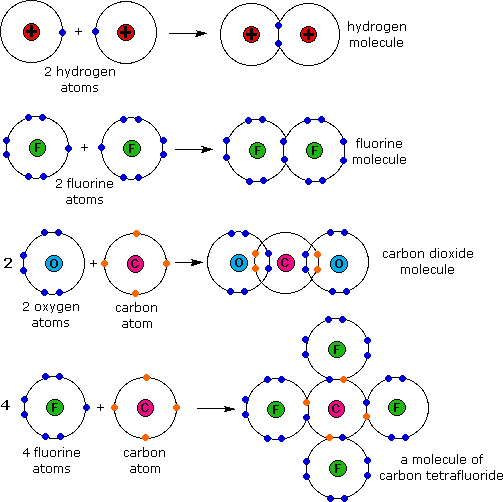
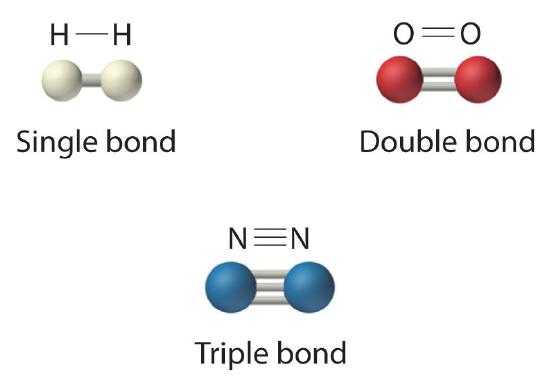
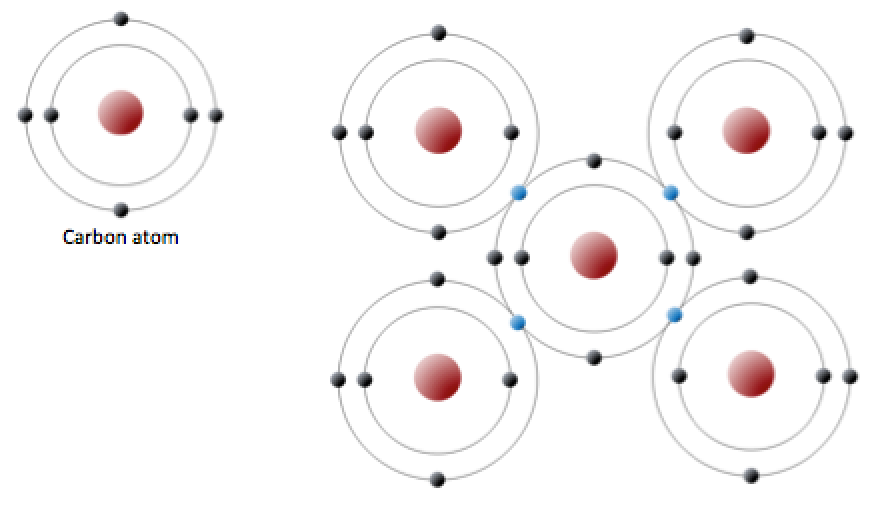
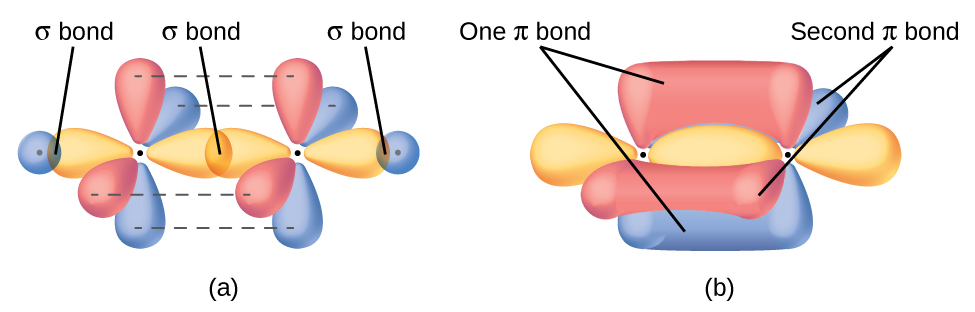
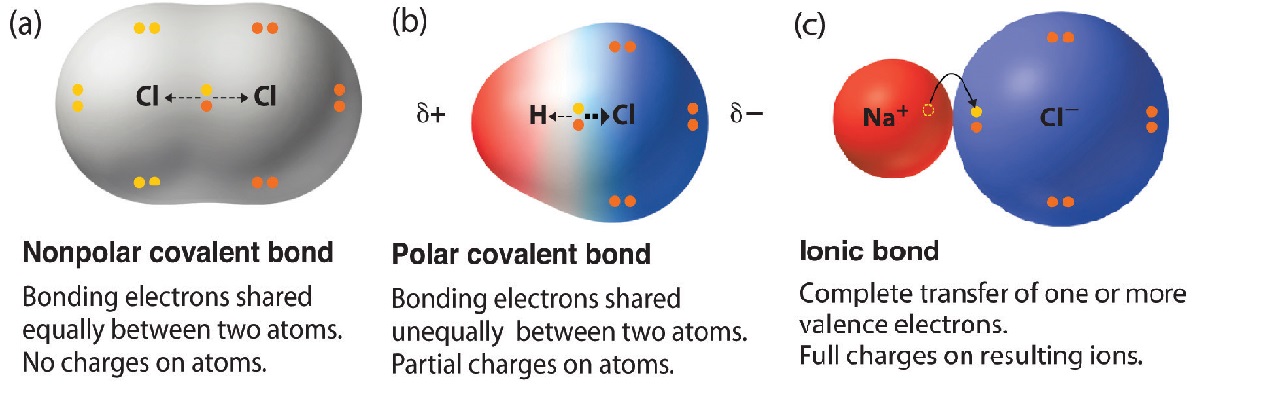
A covalent bond is a type of chemical bond that forms when two or more atoms share one or more pairs of electrons. This process is essential in creating the structures of molecules and the resulting chemical properties. Covalent bonds are typically strong and stable, making them an essential component of many compounds. The sharing of electrons leads to the formation of a bond that is often described as a "shared pair."
There are several types of covalent bonds, including polar covalent bonds, nonpolar covalent bonds, and ionic bonds. The type of bond formed depends on the difference in electronegativity between the atoms involved.
Stay Informed, Learn More
The manipulation of covalent bonds offers numerous opportunities for innovation and advancement in various fields. However, there are also risks associated with this research, including the potential for accidental creation of hazardous compounds or unintended consequences. It is essential to approach this research with caution and consider the potential implications.
Common Misconceptions About Covalent Bonds
Understanding covalent bonds is essential for various professionals, including:
Covalent bonds differ from ionic bonds in that they involve the sharing of electrons rather than the transfer of electrons. This results in a more stable and stronger bond.
Common Questions About Covalent Bonds
Reality: Covalent bonds can be strong and stable, depending on the type of bond and the atoms involved.
How Covalent Bonds Work
🔗 Related Articles You Might Like:
Claim Your Free Ride – Top Promotional Codes for Car Rentals Now Live! Cheap Car Rentals at Bologna Airport Italy: Save Big Without Breaking the Bank! factory industrial revolutionYes, covalent bonds can be broken through various means, such as the application of heat, light, or chemical reactions.
The growing interest in covalent bonds in the US can be attributed to their significance in various fields, including materials science, nanotechnology, and pharmaceuticals. The ability to manipulate and control covalent bonds has led to breakthroughs in the development of new materials, advanced electronics, and innovative medical treatments. Furthermore, the increasing demand for sustainable and environmentally friendly products has fueled research into covalent bonds, driving innovation in areas such as energy storage and conversion.
Reality: Covalent bonds have implications for various fields, including materials science, nanotechnology, and pharmaceuticals.
Myth: Covalent bonds are weak and unstable.
In conclusion, covalent bonds are a fundamental concept in chemistry that has far-reaching implications for various industries and fields. Understanding covalent bonds is essential for innovation and advancement in materials science, nanotechnology, and pharmaceuticals. By exploring the types, characteristics, and applications of covalent bonds, we can unlock new possibilities and develop sustainable solutions for the future.
📸 Image Gallery




Myth: Covalent bonds are only found in molecules with identical atoms.
To stay up-to-date on the latest developments in covalent bond research, consider following reputable scientific sources and attending conferences or workshops on the subject. Additionally, exploring online resources and educational platforms can provide a comprehensive understanding of covalent bonds and their applications.
Who is this Topic Relevant For?
- Students of chemistry and materials science
Opportunities and Realistic Risks
How do covalent bonds differ from ionic bonds?
What is a Covalent Bond in Chemistry?
In recent years, the world of chemistry has witnessed a surge in interest and research on covalent bonds. This phenomenon is not only relevant to scientists and researchers but also has significant implications for various industries and our daily lives. As a result, understanding covalent bonds has become increasingly important.
📖 Continue Reading:
Unlock the Career of Ethan Suplee: Iconic Movies and TV Shows Everyone Should Watch! You Won’t Believe Which Brie Larson Movies Changed Cinema Forever—Inside His Crazy Career!Can covalent bonds be broken?
What are the types of covalent bonds?
Reality: Covalent bonds can form between atoms of different elements, as long as they share electrons.
