map louisiana purchase - em
Common questions about the Louisiana Purchase
The map of the Louisiana Purchase has become a topic of renewed interest in recent years, sparking debates and curiosity among historians, scholars, and the general public. This historic agreement, signed in 1803, saw the United States acquire a vast territory from France, more than doubling the country's size. The purchase is now more relevant than ever, with its implications on American identity, politics, and geography still unfolding today.
What motivated the US to acquire the Louisiana Territory?
Why it's gaining attention in the US
Common misconceptions about the Louisiana Purchase
The Louisiana Purchase is relevant for:
Conclusion
Stay informed and learn more
How it works
The Louisiana Purchase is a pivotal moment in American history, with its legacy still unfolding today. As the country continues to navigate its role on the world stage, understanding the complexities of this treaty is more crucial than ever. By exploring the opportunities and risks associated with the purchase, we can gain a deeper appreciation for the country's development and the individuals who shaped its future.
- American Museum of Natural History
- Anyone interested in understanding the complexities of American identity and geography
- Policy makers and diplomats
What were the long-term effects of the purchase?
🔗 Related Articles You Might Like:
Michael Landes Exposes His Game-Changing Secrets to Success (And Why You Need to Read This!) Upgrade Your Travel with Hidden Savings: Monthly Rentals Approved Near You! Fahrenheit to Celsius Formula Revealed: Simplify Your Temperature ConversionsOpportunities and realistic risks
The Louisiana Purchase had far-reaching consequences, including the expansion of slavery, the growth of the US economy, and the establishment of the country's continental identity. The purchase also set a precedent for future land acquisitions and the concept of Manifest Destiny.
To gain a deeper understanding of the Louisiana Purchase, explore the following resources:
Myth: The purchase was solely driven by economic interests
Reality: While economic interests played a significant role in the purchase, they were not the only factor. The treaty also reflected the US government's desire to assert its dominance in North America and expand its territory.
The US government was driven by a desire to secure access to the Mississippi River and the Port of New Orleans, which was critical for trade and commerce. The territory also offered vast opportunities for westward expansion and the growth of American agriculture.
📸 Image Gallery
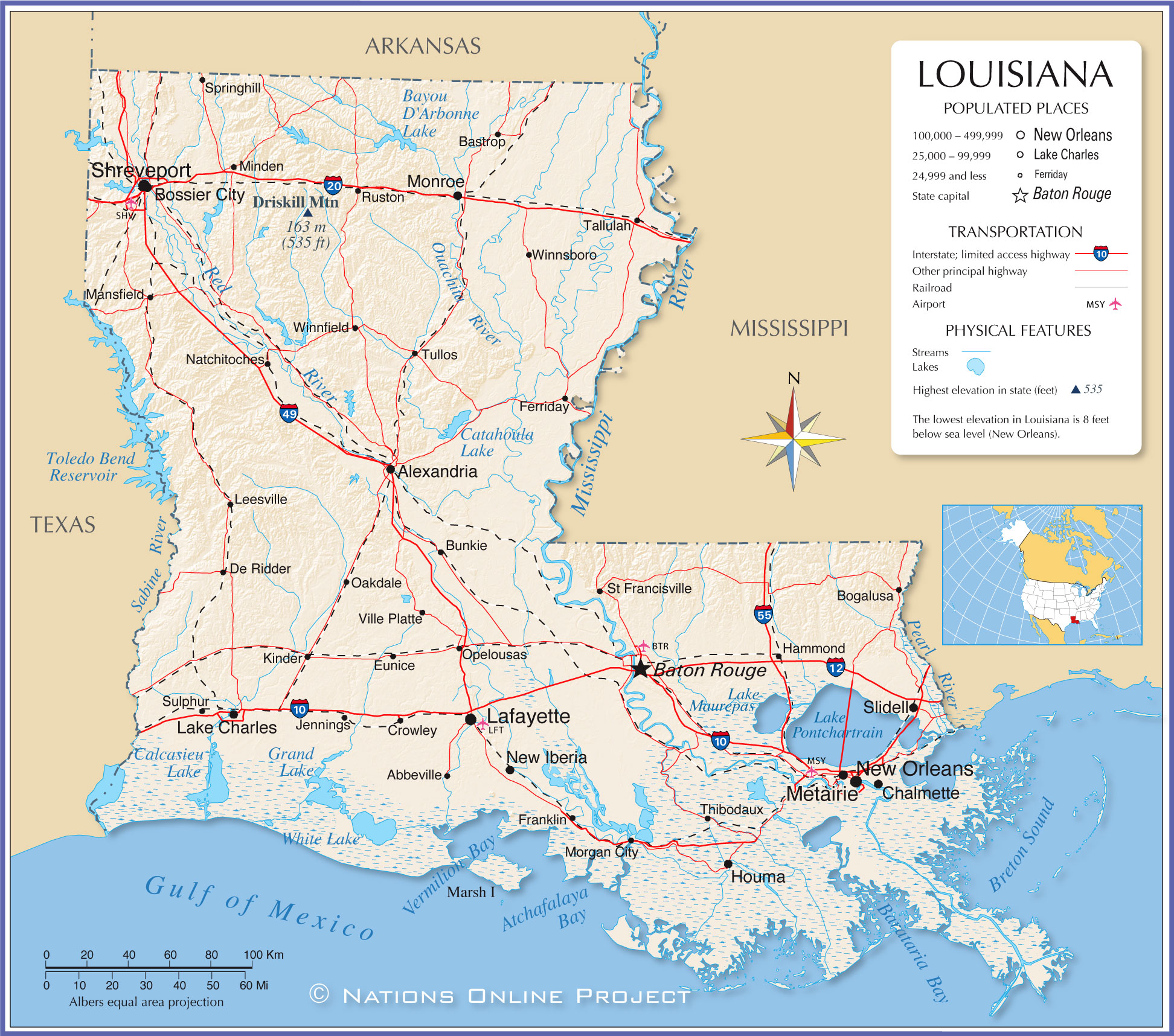
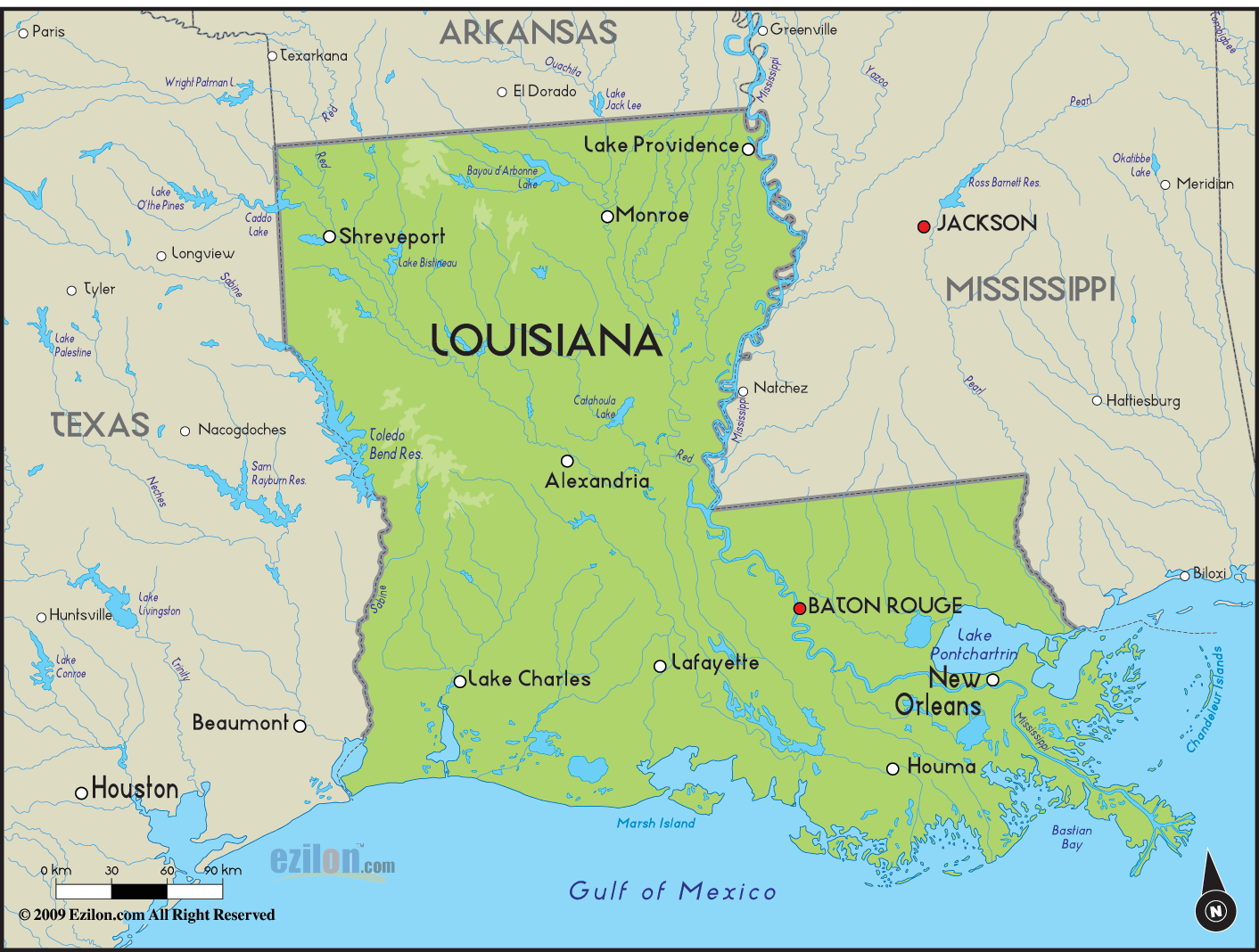
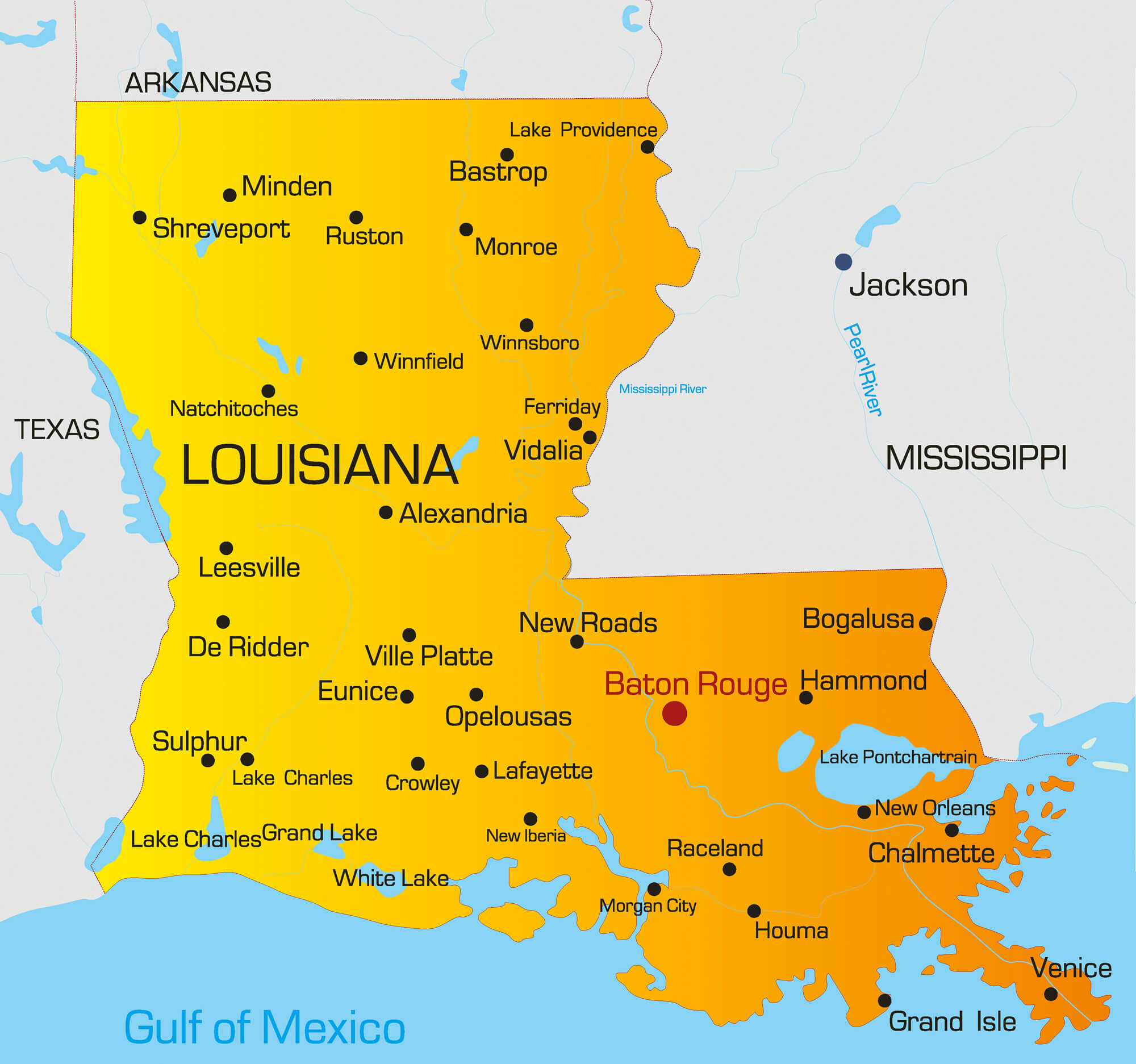
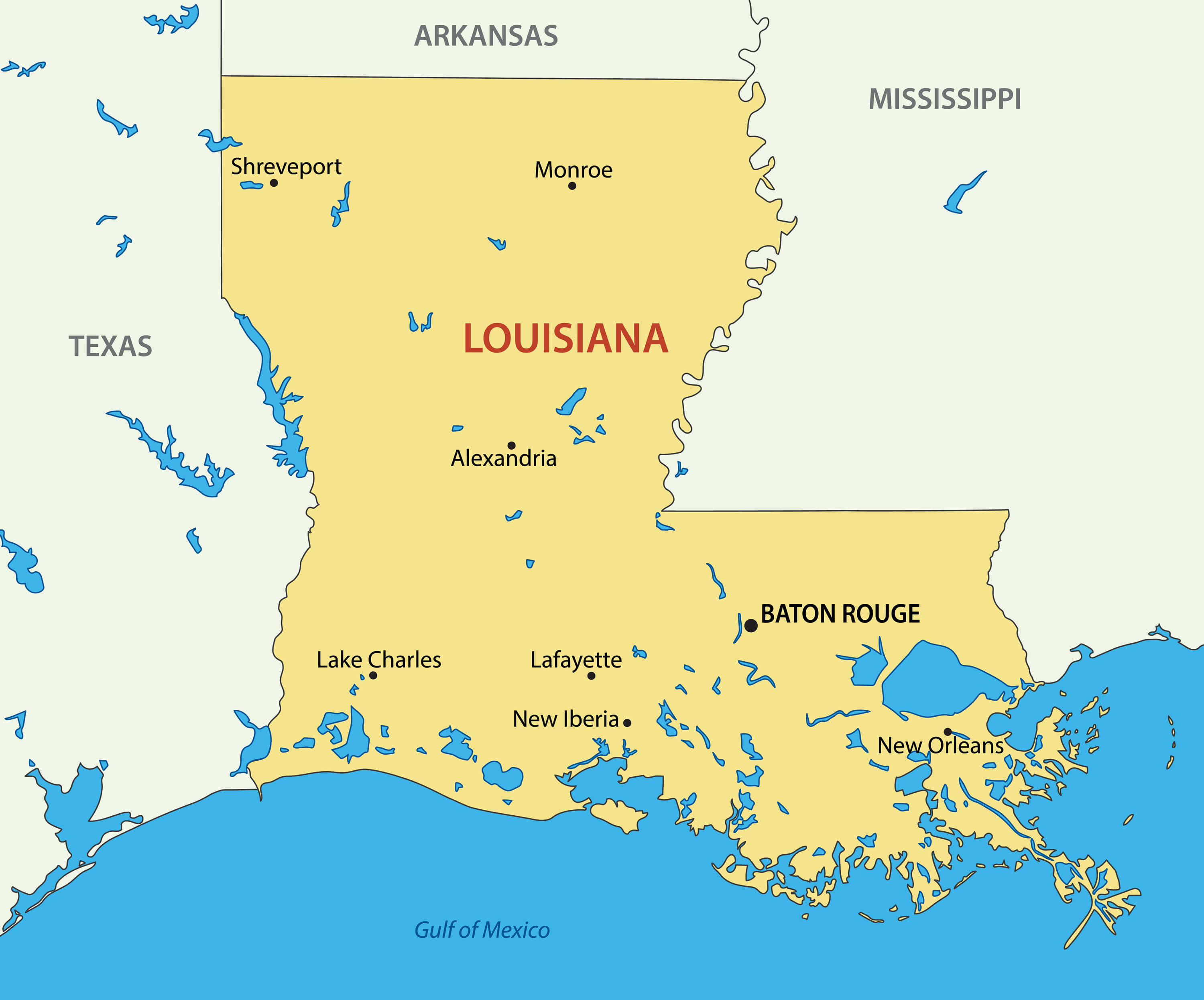
The Louisiana Purchase presents opportunities for economic growth, cultural exchange, and the development of new technologies. However, it also raises concerns about the displacement of indigenous populations, the exploitation of natural resources, and the impact of human activity on the environment.
Myth: The Louisiana Purchase was a peaceful transaction
How did the purchase impact the Native American population?
Who is this topic relevant for?
The Louisiana Purchase: Unpacking the Treaty that Shaped America's Future
In simple terms, the Louisiana Purchase was a treaty between the United States and France, in which the US acquired approximately 828,000 square miles of land for $15 million. The territory included parts of present-day Arkansas, Missouri, Iowa, Oklahoma, Kansas, Nebraska, and parts of Montana, Wyoming, Colorado, and North and South Dakota. The purchase effectively gave the US control over the Mississippi River and access to the Port of New Orleans, a vital trade hub.
The purchase had a significant impact on the Native American population, with many tribes forcibly relocated or displaced from their ancestral lands. The US government's expansionist policies and the subsequent relocation of Native American tribes remain a topic of controversy and debate.
The Louisiana Purchase is gaining attention in the US due to its significant impact on the country's development. As the nation continues to navigate its role on the world stage, the purchase serves as a reminder of the power of diplomacy and the importance of strategic land acquisition. The purchase also highlights the complexities of American history, with its rich tapestry of European colonialism, indigenous cultures, and westward expansion.
📖 Continue Reading:
Unleashing Candice Bergen’s TV Legacy: The Very Best Movies & Shows That Defined Her Career! Unraveling the Enigma of Roman Numerals: A Deep Dive into the Language of the AncientsReality: While the purchase was a significant diplomatic achievement, it was not without controversy. The treaty was negotiated without the consent of Native American tribes, who were forced to cede their lands.
